
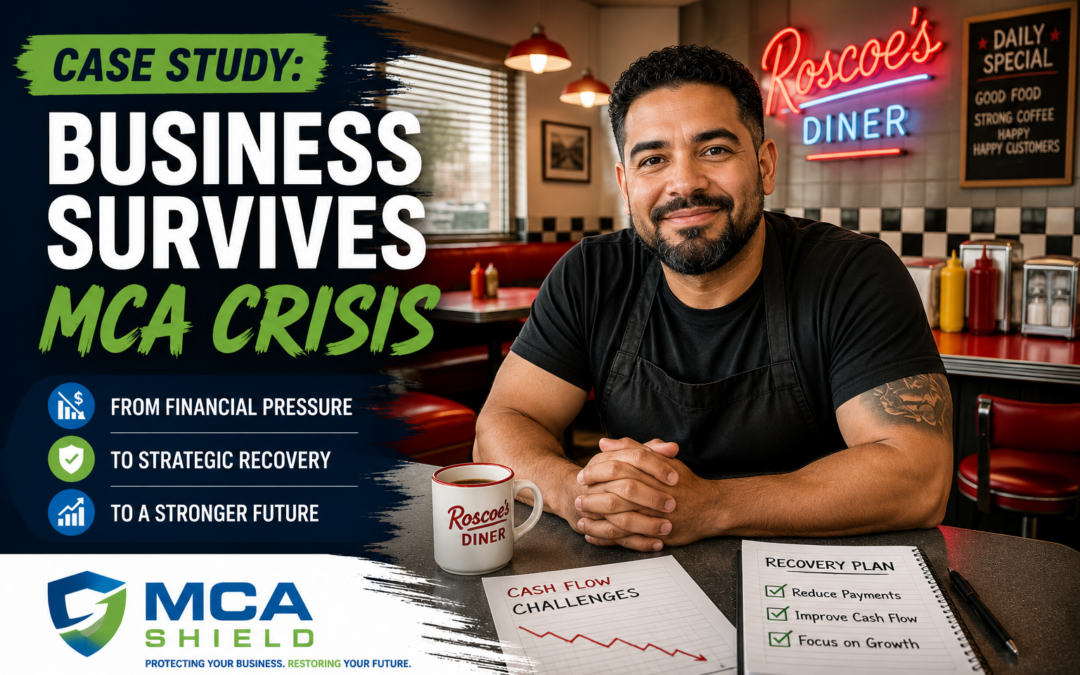
A merchant cash advance crisis can develop faster than many business owners expect. What often begins as a quick funding solution can quickly turn into mounting daily repayments, shrinking cash flow, and growing financial pressure that threatens the stability of an otherwise successful business.
This case study follows the journey of a business owner who found themselves trapped in a growing merchant cash advance crisis. As additional funding was used to cover existing obligations, the business faced difficult decisions that affected cash flow, vendor payments, and long-term stability. Rather than waiting for the situation to become even more serious, the owner chose to take action.
While every business has a unique story, the challenges highlighted here are common among companies struggling with multiple merchant cash advances. By understanding what happened, why the crisis escalated, and how a strategic recovery plan was developed, you can better recognize the warning signs within your own business.
If your business is experiencing similar financial pressure, this case study offers practical insights into how early action, careful planning, and the right guidance can create more opportunities for financial recovery before the situation becomes even more difficult.
Schedule Your Free Consultation
Meet the Business Behind This MCA Crisis
A Growing Company Faces Unexpected Cash Flow Pressure
For this case study, we’ll call the business Roscoe’s Diner. Like many independent restaurants, the diner had built a loyal customer base through quality food, friendly service, and years of hard work. Sales were steady, and the future looked promising.
However, rising food costs, higher payroll expenses, equipment repairs, and seasonal fluctuations in revenue began placing unexpected pressure on the business’s cash flow. Although customers continued to fill the restaurant, money available to cover daily operating expenses became increasingly tight.
As financial demands grew, every business decision became more difficult. Paying vendors, purchasing inventory, and meeting payroll required careful planning, leaving little room for unexpected expenses. What had once been manageable financial challenges slowly developed into a merchant cash advance crisis.
Why the Business Turned to Merchant Cash Advances
Like many small business owners facing short-term cash flow problems, the owner of Roscoe’s Diner needed fast access to working capital. Traditional financing was either unavailable or would take too long to obtain. A merchant cash advance (MCA) appeared to offer a simple solution, with quick approval and funding that could be deposited within days.
Initially, the additional funding helped the diner stay current on expenses and continue serving customers. Unfortunately, the daily repayment withdrawals soon began reducing available cash, making it harder to cover normal operating costs.
As financial pressure increased, another merchant cash advance seemed like the easiest way to bridge the gap. Over time, however, multiple advances created even greater repayment obligations, placing additional strain on the business’s cash flow. What started as a temporary funding solution gradually evolved into a serious merchant cash advance crisis that threatened the diner’s long-term financial stability.
How the MCA Crisis Escalated

Multiple Advances Created Daily Financial Pressure
The first merchant cash advance (MCA) gave Roscoe’s Diner the breathing room it needed to cover immediate expenses. At first, the daily withdrawals seemed manageable because sales remained relatively stable. However, those automatic payments quickly became part of the diner’s daily operating costs.
As new financial challenges arose, the owner relied on another merchant cash advance to help bridge the gap. Unfortunately, each new advance added another layer of repayment obligations. Instead of improving the business’s financial position, multiple merchant cash advances reduced the amount of cash available each day for payroll, food inventory, utilities, and other essential expenses.
With every additional advance, financial flexibility became more limited. The business found itself working harder to keep up with daily withdrawals rather than investing in growth.
Cash Flow Became Harder to Manage
Although customers continued dining, healthy sales did not always translate into available cash. Daily MCA withdrawals often occurred before other important bills came due, making it increasingly difficult to maintain a consistent cash flow.
As a result, the owner faced difficult decisions almost every week. Should available funds go toward purchasing inventory, paying employees, or covering merchant cash advance payments? These constant choices created ongoing financial stress and made long-term planning nearly impossible.
Instead of building financial stability, the business entered a cycle where cash shortages became more frequent. The owner spent more time solving immediate financial problems and less time focusing on serving customers and growing the business.
Warning Signs the Business Could No Longer Ignore
Over time, the financial warning signs became impossible to overlook. Cash reserves continued to shrink, vendor payments became more difficult to manage, and the business struggled to maintain enough working capital for normal operations.
Several indicators suggested the merchant cash advance crisis was becoming more serious, including:
- Daily repayment withdrawals consuming available cash
- Difficulty paying vendors on time
- Delayed equipment repairs and maintenance
- Reduced financial flexibility for unexpected expenses
- Growing reliance on additional funding to cover existing obligations
Fortunately, the owner recognized that continuing down the same path would only increase financial pressure. Rather than waiting until the situation became unmanageable, the business began looking for a long-term solution that addressed the underlying cash flow problems vs adding more debt.
The Turning Point
Recognizing That More Borrowing Was Not the Answer
After months of juggling daily expenses and merchant cash advance payments, the owner of Roscoe’s Diner reached an important realization: another loan would not solve the underlying problem. While additional funding might provide temporary relief, it would also create new repayment obligations and place even more pressure on the business’s cash flow.
Instead of looking for another quick source of financing, the owner stepped back to evaluate the bigger picture. It became clear that the diner needed a strategy focused on financial stability, not simply more borrowed money. Continuing the same cycle would only make it harder to recover.
This shift in thinking marked a turning point. Rather than reacting to each financial challenge as it arose, the owner began searching for a solution that could address the existing merchant cash advances and create a path toward long-term recovery.
Seeking Professional Guidance Before the Situation Worsened
Recognizing the seriousness of the merchant cash advance crisis, the owner decided to seek professional guidance before the financial pressure escalated further. Taking action early created an opportunity to evaluate every merchant cash advance agreement, understand the full scope of the repayment obligations, and explore realistic resolution options.
Working with experienced professionals also helped remove much of the uncertainty surrounding the situation. Instead of relying on guesswork, the owner received a clear assessment of the business’s financial position and a customized strategy designed to improve cash flow while protecting day-to-day operations.
Most importantly, the business acted before the crisis reached a point where the available options became more limited. By addressing the problem early, Roscoe’s Diner positioned itself to regain control of its finances and focus once again on serving customers, supporting employees, and building a stronger future.
Building a Recovery Strategy
Reviewing Every Merchant Cash Advance Agreement
The first step toward recovery was gaining a complete understanding of the business’s financial obligations. Every merchant cash advance agreement was carefully analyzed to determine outstanding balances, repayment structures, funding terms, and the cumulative impact each advance was having on the diner’s daily cash flow.
This comprehensive review also revealed how multiple merchant cash advances were working together to create financial pressure. By organizing each agreement and evaluating the repayment obligations as a whole, the owner gained a much clearer picture of the challenges facing the business.
Understanding the details of each agreement became the foundation for making informed financial decisions rather than reacting to problems as they showed up.
Prioritizing Cash Flow and Business Stability
With a clear understanding of the business’s obligations, the focus shifted to restoring healthy cash flow. The primary goal was not simply to reduce debt but to ensure Roscoe’s Diner could continue serving customers, paying employees, purchasing inventory, and meeting other essential operating expenses.
Rather than allowing daily repayment withdrawals to dictate every financial decision, the recovery strategy emphasized protecting the cash needed to keep the business operating successfully. This approach helped the owner regain confidence and make decisions based on long-term business health instead of short-term financial emergencies.
As cash flow became the priority, the business could focus on stability, consistency, and sustainable growth.
Creating a Customized Resolution Plan
No two merchant cash advance crises are exactly alike, which is why a personalized strategy was essential. Instead of relying on a one-size-fits-all solution, the recovery plan was tailored to Roscoe’s Diner’s specific financial circumstances, revenue patterns, and business goals.
The customized resolution strategy focused on:
- Evaluating every merchant cash advance obligation
- Improving daily and monthly cash flow
- Reducing financial pressure on business operations
- Supporting long-term financial stability
- Creating a practical path toward recovery
By following a structured plan rather than relying on another quick fix, the owner replaced uncertainty with direction. The business finally had a roadmap designed to restore financial health, strengthen cash flow, and position the diner for long-term success.
The Results of Taking Action
Reduced Financial Pressure
Implementing a structured recovery strategy began to relieve the financial strain that had been building for months. Instead of reacting to one financial emergency after another, the owner gained a clearer understanding of the business’s obligations and a practical plan for moving forward.
As the recovery strategy took shape, the business was better positioned to manage its financial commitments while protecting the cash needed for daily operations. Rather than allowing financial pressure to dictate every decision, the owner could begin making choices that supported the diner’s long-term success.
Although recovery did not happen overnight, taking action early created opportunities that may not have been available if the business had waited longer.
Improved Cash Flow Management
With a customized resolution strategy in place, cash flow management became more predictable and easier to control. Instead of constantly juggling daily merchant cash advance withdrawals and operating expenses, the owner could focus on managing revenue more effectively and planning for upcoming financial obligations.
Healthier cash flow also made it easier to purchase inventory, meet payroll, pay vendors on time, and prepare for unexpected expenses. Rather than operating in a constant state of financial uncertainty, the business began rebuilding a stronger financial foundation.
This renewed financial clarity allowed the owner to make informed decisions with greater confidence and less day-to-day stress.
Renewed Focus on Business Growth
As financial stability improved, the owner’s attention shifted away from simply surviving and back toward growing the business. More time could be devoted to improving customer service, expanding marketing efforts, training employees, and creating an exceptional dining experience.
Instead of worrying about the next daily withdrawal, the owner could focus on opportunities that supported long-term success. The diner once again operated with a sense of direction, confidence, and optimism.
While every merchant cash advance crisis is different, this case study demonstrates an important lesson: taking action early can create more recovery options, improve cash flow, and help businesses regain control of their financial future.
Lessons Every Business Owner Can Learn
Act Before Financial Pressure Becomes a Crisis
One of the most valuable lessons from this case study is the importance of acting early. Financial challenges rarely appear overnight. Instead, they often begin with small cash flow shortages, rising operating costs, or temporary revenue declines that gradually become more difficult to manage.
Recognizing these warning signs and addressing them promptly can create more opportunities for recovery. Business owners who take action before financial pressure escalates often have greater flexibility to evaluate their options and develop a strategy that supports long-term stability.
Understand Every MCA Agreement You Sign
A merchant cash advance agreement can provide fast access to funding, but it is essential to understand exactly how the repayment terms will affect your business. Daily or weekly withdrawals, repayment obligations, and funding terms can significantly impact cash flow long after the money has been received.
Before accepting any merchant cash advance, carefully review every agreement and evaluate how the payments will fit within your operating budget. Taking the time to understand the terms today can help prevent unexpected financial challenges tomorrow.
Explore Resolution Options Early
If your business is already experiencing a merchant cash advance crisis, remember that waiting rarely improves the situation. As financial pressure grows, the available options may become more limited.
Instead, seek professional guidance as soon as you recognize the warning signs. Exploring merchant cash advance resolution options early can help improve cash flow, reduce financial pressure, and position your business for a stronger financial future.
This case study demonstrates that while every situation is unique, early action, informed decisions, and a customized recovery strategy can help businesses regain control and move forward with greater confidence.
How MCA Shield Helps Businesses Navigate MCA Crises
Every merchant cash advance crisis is different, which is why MCA Shield begins by developing a clear understanding of each business’s financial situation. The process starts with a comprehensive review of every merchant cash advance agreement to identify outstanding balances, repayment obligations, funding terms, and the overall impact on daily cash flow.
This evaluation helps business owners see the complete financial picture rather than focusing on individual advances. With a thorough understanding of existing obligations, businesses are better equipped to make informed decisions about their next steps.
Developing Customized Resolution Strategies
No single solution works for every business. After evaluating the financial situation, MCA Shield develops a customized resolution strategy tailored to the company’s unique cash flow, operating expenses, financial obligations, and long-term goals.
Rather than applying a one-size-fits-all approach, the strategy focuses on addressing the specific challenges contributing to the merchant cash advance crisis. The objective is to help reduce financial pressure, improve cash flow management, and position the business for greater financial stability.
Supporting Long-Term Financial Stability
Resolving an immediate financial crisis is only part of the recovery process. MCA Shield also focuses on helping businesses build a stronger financial foundation for the future.
By improving financial clarity and supporting informed decision-making, businesses are better positioned to manage cash flow, strengthen day-to-day operations, and reduce the likelihood of future financial challenges. The ultimate goal is not simply to overcome a merchant cash advance crisis, but to help business owners regain confidence and move forward with a strategy that supports long-term financial stability and sustainable growth.
Frequently Asked Questions About MCA Crises
💡 Quick Answers for Business Owners
If you’re facing a merchant cash advance (MCA) crisis, you’re probably asking many of the same questions other business owners have asked before finding a path forward. Here are some of the most common questions—and the answers that can help you take the next step with confidence.
❓ Can a Business Recover After an MCA Crisis?
Yes. Many businesses recover successfully after a merchant cash advance crisis, especially when they take action before financial pressure becomes overwhelming. Recovery often begins with understanding your current financial obligations, evaluating cash flow, and developing a realistic strategy that tackles the underlying challenges.
Every situation is unique, but early action often creates more opportunities to restore financial stability and focus on future growth.
🚩 What Are the First Signs of an MCA Crisis?
A merchant cash advance crisis usually develops gradually rather than overnight. Common warning signs include:
- 📉 Shrinking cash flow
- 💳 Difficulty covering daily operating expenses
- 📦 Delayed payments to vendors or suppliers
- 👥 Payroll becoming harder to manage
- 🔄 Taking out one MCA to repay another
- 📅 Constant worry about daily repayment withdrawals
Recognizing these warning signs early can help you explore solutions before the situation becomes more difficult.
🤝 When Should a Business Seek Professional Help?
The best time to seek professional guidance is as soon as you recognize that merchant cash advance payments are affecting your business’s financial health. Waiting until the situation becomes a crisis can reduce your available options.
If you’re experiencing declining cash flow, relying on additional financing to stay current, or struggling to meet everyday business expenses, it’s a good time to explore your options. Acting early can provide greater flexibility and help you develop a strategy that supports long-term financial stability.
✅ The Bottom Line
A merchant cash advance crisis does not have to define your business’s future. Understanding the warning signs, asking the right questions, and taking action early can help you regain control, improve cash flow, and move your business toward a stronger financial future.
Take the First Step Toward Financial Stability
Early Action Creates More Resolution Options
If this case study sounds familiar, you’re not alone. Many business owners don’t realize how quickly a merchant cash advance crisis can grow until daily repayments begin affecting cash flow, payroll, vendor payments, and normal business operations.
The encouraging news is that taking action early often creates more options for resolution. The sooner you evaluate your financial situation, the more opportunities you may have to improve cash flow, reduce financial pressure, and develop a strategy that supports your business’s long-term success.
Every day spent waiting can make financial challenges more difficult to manage. Taking the first step today can help you regain control and begin moving your business toward greater financial stability.
Schedule a Free Consultation With MCA Shield
You don’t have to navigate a merchant cash advance crisis on your own. MCA Shield works with business owners to evaluate merchant cash advance obligations, explain available resolution options, and develop customized strategies based on each business’s unique financial circumstances.
Whether you’re struggling with a single merchant cash advance or multiple funding agreements, taking action now can help you better understand your options before financial pressure builds.
Schedule your free consultation with MCA Shield today and discover how a personalized strategy can help protect your cash flow, restore financial confidence, and position your business for a stronger future.