
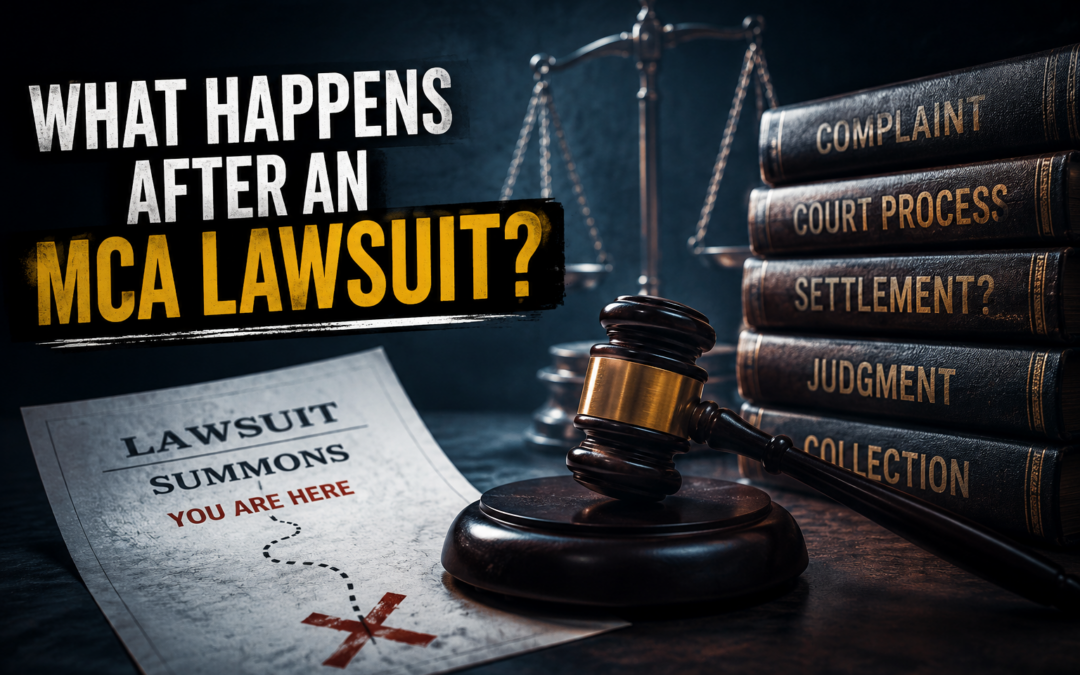
Facing an MCA lawsuit can create uncertainty and financial stress for business owners already dealing with overwhelming payment obligations. Questions about legal notices, collections, settlements, and what happens next are common when a merchant cash advance dispute reaches this stage.
Understanding the MCA lawsuit process can help business owners evaluate their options, avoid costly mistakes, and develop a strategy focused on protecting cash flow and achieving long-term financial stability.
Schedule Your Free Consultation
Understanding What an MCA Lawsuit Means
An MCA lawsuit can happen when a dispute develops between a merchant cash advance provider and a business over repayment terms, contract obligations, or alleged agreement violations. While receiving legal documents can feel overwhelming, a lawsuit does not always mean a business is out of options.
The first step is understanding why the lawsuit happened, what the MCA company is claiming, and what potential solutions may still be available. Every situation depends on the specific agreement, payment history, business circumstances, and actions taken after the lawsuit begins.
Why Merchant Cash Advance Companies File Lawsuits
Merchant cash advance companies may pursue legal action when they believe a business has failed to meet the terms outlined in the funding agreement. This often happens after payment problems occur and collection attempts have not resolved the issue.
Common reasons MCA companies may file lawsuits include:
- Missed daily or weekly payments
- Blocked or stopped ACH withdrawals
- Disputes over contract requirements
- Alleged breaches of the MCA agreement
- Business revenue changes affecting repayment
Because MCA agreements are different from traditional business loans, disputes can involve specific contract terms related to purchased receivables, reconciliation clauses, payment structures, or default provisions.
Common Issues That Lead to Legal Action
Many business owners facing an MCA lawsuit were already experiencing cash flow problems before legal action started. High-frequency payments, multiple advances, or declining revenue can make it difficult to maintain normal operations while meeting MCA obligations.
Some common warning signs before legal escalation include:
- Struggling to cover payroll or vendor payments
- Taking additional advances to manage existing payments
- Experiencing returned ACH transactions or insufficient funds
- Falling behind on multiple MCA agreements
- Receiving increased collection communication
When financial pressure builds, creating a strategy early can help business owners better understand available options before the situation becomes more complicated.
Why Every MCA Lawsuit Situation Is Different
No two MCA lawsuit situations are exactly the same. The available options depend on several factors, including the contract terms, amount owed, business finances, lender actions, and current stage of the legal process.
A business that recently received a notice may have different options than one already dealing with a judgment or collection activity. Reviewing the details of the agreement and understanding the complete financial picture are important steps before deciding how to respond.
With the right strategy, some businesses may be able to negotiate resolutions, reduce payment pressure, and work toward rebuilding financial stability.
What Happens Immediately After an MCA Lawsuit Is Filed?
After an MCA lawsuit is filed, business owners may be unsure what steps come next or how quickly they need to respond. The process can vary depending on the MCA agreement, the company involved, and the specific legal action taken.
While receiving notice of a lawsuit can be stressful, understanding the situation and taking timely action can help prevent additional complications. Reviewing the details, deadlines, and available options is an important first step.
Receiving Legal Documents or a Court Notice
One of the first things that may happen after an MCA lawsuit is filed is receiving official legal documents. These documents typically explain who filed the claim, what they are requesting, and the allegations being made.
Business owners should carefully review any paperwork they receive, including:
- The MCA company involved
- The amount being claimed
- Important court dates or response requirements
- Specific contract issues mentioned in the filing
Ignoring legal notices can limit available options and may allow the situation to move forward without the business owner’s involvement.
Understanding Response Deadlines
Most lawsuits include deadlines for responding. These timelines are important because missing required dates may result in additional legal consequences, such as the MCA company seeking a default judgment.
The required response period can vary depending on the jurisdiction and type of legal filing. Business owners should avoid assuming they have unlimited time to address the situation.
Taking action early can provide more opportunity to review the claim, understand potential solutions, and create a plan for moving forward.
Reviewing Your MCA Agreement and Obligations
Before deciding how to handle an MCA lawsuit, it is important to understand the original agreement. MCA contracts can contain specific terms that affect payment requirements, default conditions, and possible resolution options.
A thorough review may include:
- Original advance amount and repayment structure
- Daily or weekly payment requirements
- Remaining balance claimed
- Default provisions
- Personal guarantee language
- Any available reconciliation terms
Understanding the complete financial picture allows business owners to make informed decisions instead of reacting under pressure. A careful review can also help determine whether settlement, restructuring, or another resolution strategy may be possible.
Possible Outcomes After an MCA Lawsuit
The outcome of an MCA lawsuit depends on several factors, including the terms of the agreement, the amount owed, the current financial condition of the business, and how quickly action is taken. While many business owners fear the worst, a lawsuit does not always lead to the same result.
In some cases, there may still be opportunities to negotiate, restructure obligations, or create a resolution plan. Understanding possible outcomes can help business owners evaluate their next steps.
MCA Settlement Negotiations
One possible outcome after an MCA lawsuit is a negotiated settlement. A settlement involves working toward an agreement that resolves the dispute outside of continuing legal action.
MCA settlement negotiations may focus on:
- Reducing overall payment pressure
- Creating more manageable repayment terms
- Resolving outstanding obligations
- Preventing continued collection escalation
The possibility of a settlement depends on the MCA provider, contract terms, business finances, and current stage of the lawsuit. Having a clear understanding of cash flow and available resources can help create a more realistic negotiation strategy.
Payment Restructuring Agreements
In some situations, businesses may explore restructuring options instead of continuing with the original payment schedule. A restructuring agreement may adjust how payments are handled so they better align with the company’s current financial position.
This approach may involve changes such as:
- Adjusted payment amounts
- Different payment schedules
- Modified repayment arrangements
- A plan designed around current cash flow
For businesses struggling with aggressive daily or weekly withdrawals, restructuring may help create breathing room while they work toward financial recovery.
Court Judgments and Collection Activity
If an MCA lawsuit continues without resolution, the case may result in a court judgment. A judgment can create additional challenges and may allow further collection efforts depending on the circumstances and applicable laws.
Potential collection concerns may include:
- Additional financial pressure on the business
- Attempts to collect the remaining balance
- Greater difficulty managing cash flow
- Possible impact on future financing opportunities
Because every MCA lawsuit is different, understanding available options early is important. Taking action before the situation progresses may provide more flexibility when working toward a resolution.
How an MCA Lawsuit Can Affect Your Business Operations
An MCA lawsuit can impact more than just the amount a business owes. Legal disputes can create additional pressure on daily operations, cash flow management, and long-term financial planning.
For many business owners, the biggest challenge is balancing the lawsuit while still trying to manage employees, customers, vendors, and everyday expenses. Understanding potential consequences can help businesses prepare and explore solutions before problems become more difficult to manage.
Increased Financial Pressure
Many businesses facing an MCA lawsuit were already experiencing financial strain before legal action started. Additional collection efforts, legal concerns, and uncertainty about future payments can increase that pressure.
Business owners may experience challenges such as:
- Difficulty managing operating expenses
- Reduced available working capital
- Challenges keeping up with payroll or vendors
- Stress from multiple financial obligations
When cash flow is already limited, creating a realistic plan becomes critical. Addressing the situation early may provide more opportunities to reduce pressure and regain financial control.
Business Bank Account and Cash Flow Challenges
An MCA lawsuit may also create concerns about business banking and access to available funds. Depending on the situation, agreement terms, and legal process, businesses may experience additional collection efforts that affect cash flow.
Potential challenges may include:
- Continued payment withdrawal attempts
- Difficulty maintaining consistent cash reserves
- Increased risk of overdrafts or returned payments
- Problems planning future expenses
Cash flow is the foundation of business stability. Reviewing MCA obligations and developing a strategy can help business owners focus on protecting operations while working toward a resolution.
Impact on Future Financing Options
Financial disputes connected to an MCA lawsuit may also affect a company’s ability to obtain future funding. Lenders and financing companies often review a business’s financial history, existing obligations, and current debt structure before approving new financing.
Possible challenges may include:
- Difficulty qualifying for traditional financing
- Less favorable funding terms
- Concerns from future lenders about existing obligations
- Limited flexibility for growth opportunities
Resolving MCA issues and rebuilding financial stability can help businesses create a stronger foundation moving forward. The goal is not only addressing the immediate lawsuit but also developing a plan that supports long-term recovery.
Mistakes to Avoid After an MCA Lawsuit Begins

When an MCA lawsuit begins, the decisions a business owner makes early in the process can have a significant impact on the path forward. Reacting out of fear or delaying action may create additional challenges and limit potential solutions.
Understanding common mistakes can help business owners take a more strategic approach and focus on protecting their company’s financial future.
Ignoring Legal Documents
One of the biggest mistakes after receiving notice of an MCA lawsuit is ignoring the situation. Legal documents, court notices, and deadlines should be reviewed carefully so business owners understand what actions may be required.
Failing to address legal communication may lead to:
- Missed response deadlines
- Fewer opportunities to resolve the dispute
- Additional collection activity
- Increased financial uncertainty
Even if the situation feels overwhelming, gathering information and understanding available options is often a better approach than waiting for the problem to progress.
Taking Another MCA to Cover Payments
Some business owners consider taking another merchant cash advance to keep up with existing obligations. While this may create short-term relief, it can often increase long-term financial pressure.
Adding another MCA may result in:
- More daily or weekly withdrawals
- Reduced operating cash flow
- Additional repayment obligations
- A cycle of relying on new funding to cover old debt
Instead of creating more financial strain, businesses may benefit from reviewing existing obligations and exploring options designed to address the underlying cash flow problem.
Waiting Too Long to Explore Solutions
Another common mistake is assuming there are no options after an MCA lawsuit has started. Waiting until collection activity increases or financial pressure becomes more severe may make the situation harder to resolve.
Taking action earlier allows business owners time to:
- Review MCA agreements
- Understand possible settlement options
- Evaluate cash flow solutions
- Create a structured recovery strategy
Every business situation is unique. The sooner owners understand their financial position and available options, the better prepared they can be to make informed decisions about the future of their company.
Can an MCA Lawsuit Be Settled?
Many business owners facing an MCA lawsuit wonder if it is too late to find a solution. While every case is different, some MCA disputes may still have opportunities for negotiation even after legal action has started.
A lawsuit does not automatically mean the outcome has already been decided. The available options depend on the MCA agreement, the company involved, the current status of the case, and the financial position of the business.
How MCA Settlement Discussions Work
MCA settlement discussions typically focus on finding a resolution between the business and the merchant cash advance company. The goal is often to create an agreement that addresses the outstanding obligation while considering the business’s current financial situation.
The negotiation process may include:
- Reviewing the original MCA agreement
- Evaluating the claimed balance
- Understanding current business cash flow
- Discussing possible resolution options
- Confirming any agreement details in writing
Settlement discussions require preparation. Having accurate financial information and a clear understanding of the business’s limitations can help create a more realistic path forward.
Factors That May Affect Settlement Options
Not every MCA lawsuit has the same settlement possibilities. Several factors may influence what options are available and how negotiations progress.
Important considerations may include:
- The number of MCA agreements involved
- How long payments have been missed
- The remaining balance claimed
- The current stage of legal action
- The business’s revenue and ability to pay
A company dealing with multiple stacked MCAs may have different challenges than a business facing one individual agreement. Reviewing the entire financial picture is an important part of determining the best approach.
Why Having a Strategy Matters
Trying to resolve an MCA lawsuit without a clear plan can make an already difficult situation more stressful. Business owners may feel pressured to accept terms that do not address the underlying cash flow problem.
A strong strategy focuses on:
- Understanding all MCA obligations
- Prioritizing financial stability
- Creating realistic payment solutions
- Avoiding additional high-pressure funding
The goal is not only resolving the immediate lawsuit but helping the business move toward stronger cash flow and long-term recovery. With the right approach, owners can better understand their options and make decisions that support the future of their company.
How MCA Shield Helps Businesses Facing an MCA Lawsuit
Facing an MCA lawsuit can leave business owners feeling unsure about what steps to take next. Between legal concerns, collection pressure, and ongoing cash flow challenges, it can be difficult to determine the best path forward without a clear plan.
MCA Shield helps businesses review their situation, understand available options, and create a customized strategy focused on reducing financial pressure and rebuilding stability.
Reviewing MCA Agreements and Financial Pressure
The first step is understanding the complete picture. MCA Shield reviews current merchant cash advance obligations, payment structures, and financial challenges to identify what may be contributing to the problem.
This review may include:
- Current MCA balances and agreements
- Daily or weekly payment obligations
- Cash flow limitations
- Multiple stacked MCA positions
- Collection activity or legal concerns
By evaluating both the agreements and the business’s financial condition, MCA Shield helps owners understand where they stand and what options may be available.
Building a Customized Resolution Strategy
Every MCA lawsuit situation is different, which means a one-size-fits-all approach is rarely effective. The right strategy depends on the business’s current obligations, revenue, goals, and overall financial position.
MCA Shield works with business owners to create a plan focused on:
- Reducing overwhelming payment pressure
- Exploring settlement or restructuring options
- Improving cash flow management
- Creating a realistic path forward
Instead of temporary fixes that may increase financial strain, the focus is creating a solution designed around the long-term health of the business.
Helping Businesses Move Toward Stability
Resolving an MCA lawsuit is only one part of the recovery process. Long-term success requires rebuilding financial control and reducing the risk of returning to the same cycle.
MCA Shield helps businesses move beyond immediate challenges by focusing on sustainable solutions that support daily operations and future growth.
With the right guidance and a structured plan, business owners can take steps toward resolving MCA problems, protecting cash flow, and creating a stronger financial foundation.
Frequently Asked Questions About MCA Lawsuits
When a business receives notice of an MCA lawsuit, it is normal to have questions about what happens next. Many owners worry about their bank accounts, business operations, and whether they still have options.
The answers depend on the details of the agreement, the MCA company involved, and where the business is in the legal process. Below are some of the most common questions business owners ask.
What Happens If You Lose an MCA Lawsuit?
If a business loses an MCA lawsuit, the MCA company may receive a court judgment. A judgment can potentially create additional collection options depending on the agreement, court decision, and applicable laws.
This may lead to concerns involving:
✔ Continued collection efforts
✔ Additional financial pressure
✔ Difficulty managing business cash flow
✔ Challenges resolving outstanding obligations
However, every situation is different. Even when legal action has progressed, business owners may still benefit from reviewing their options and creating a strategy for moving forward.
Can an MCA Lawsuit Be Stopped?
In some cases, an MCA lawsuit may be resolved before reaching a final court decision. The available options depend on several factors, including the status of the case, the MCA provider, and whether both sides can reach an agreement.
Possible resolutions may include:
✔ Settlement discussions
✔ Modified payment arrangements
✔ Negotiated agreements
The earlier a business evaluates its options, the more time there may be to develop a plan.
Can You Negotiate After Being Sued by an MCA Company?
Yes, negotiation may still be possible after an MCA lawsuit has been filed. Many business owners assume that once legal action begins, they no longer have choices, but that is not always the case.
Negotiations often focus on finding a realistic solution based on:
✔ Current business revenue
✔ Outstanding MCA obligations
✔ Ability to maintain operations
✔ Long-term financial recovery goals
A well-prepared strategy can make discussions more productive and help business owners understand possible paths forward.
Can an MCA Company Freeze Your Bank Account?
Whether an MCA company can access or restrict funds depends on several factors, including the agreement terms, legal process, and court actions involved.
Business owners concerned about bank account issues should carefully review:
✔ Their MCA contract terms
✔ Any legal notices received
✔ The current status of the lawsuit
✔ Potential collection actions
Understanding your rights, obligations, and available options is important before making financial decisions.
Do You Need Help Responding to an MCA Lawsuit?
Many business owners seek help because MCA agreements and legal disputes can be complicated. Understanding the contract, payment obligations, and possible solutions can make it easier to create a clear plan.
MCA Shield helps businesses:
✔ Review MCA agreements
✔ Evaluate financial pressure
✔ Explore possible settlement options
✔ Create a customized recovery strategy
An MCA lawsuit does not have to define the future of your business. Taking action early can help you understand your options and begin working toward greater financial stability.
Take Action Before an MCA Lawsuit Creates More Pressure
An MCA lawsuit can feel like a turning point for a business, but it does not have to mean there is no path forward. Waiting and hoping the situation improves on its own may allow financial pressure, collection activity, and operational challenges to continue growing.
Taking action early allows business owners to better understand their position, review possible solutions, and create a plan designed around their current financial reality. The sooner the situation is evaluated, the more opportunity there may be to explore options before additional complications develop.
Why Early Action Creates More Options
Many MCA problems become harder to manage because business owners wait until cash flow is completely strained. Addressing concerns early can provide more time to review agreements, evaluate repayment challenges, and determine the best approach.
A proactive strategy may help businesses:
- Understand the full impact of their MCA obligations
- Explore settlement or restructuring possibilities
- Reduce pressure from overwhelming payments
- Protect daily operations and cash flow
- Create a stronger financial recovery plan
Every business facing an MCA lawsuit has a different story. The key is understanding your options before making decisions that could affect the future of your company.
Schedule a Free Consultation
MCA Shield helps business owners navigate difficult MCA situations with customized strategies focused on reducing financial pressure and creating a path toward stability. Schedule a free consultation today to learn what options may be available for your business.