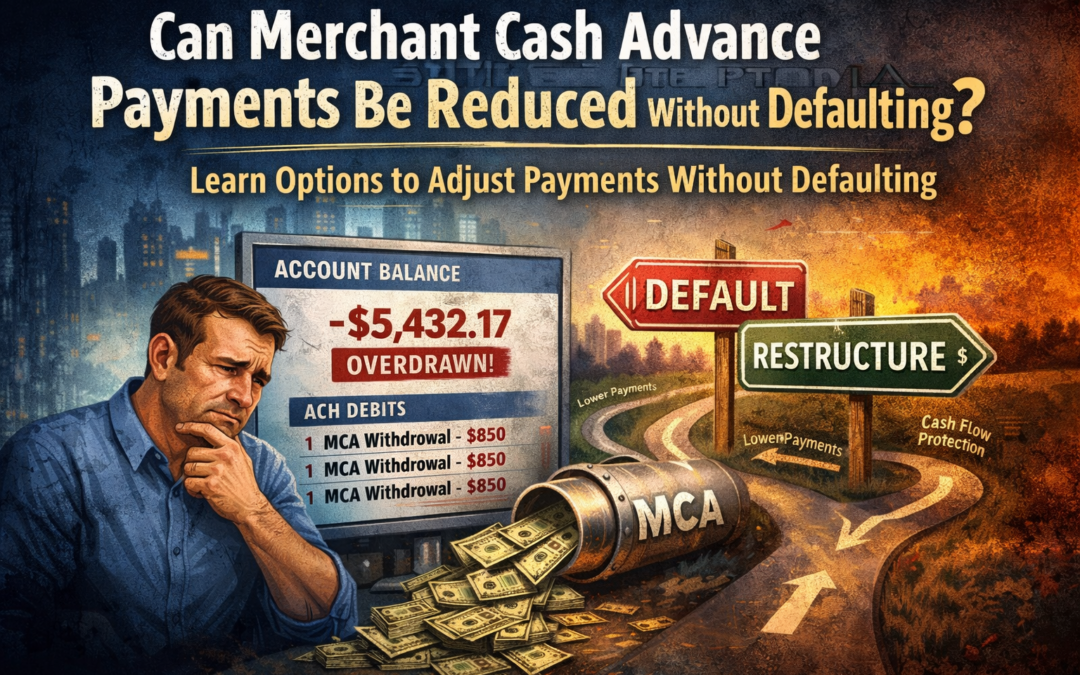
For many business owners, merchant cash advance payments feel permanent. Once daily withdrawals begin, it can seem as though there is no way to reduce them without triggering default, legal pressure, or aggressive collection activity. That perception often leads businesses to endure unsustainable daily drafts longer than they should.
In reality, this belief is one of the most damaging myths surrounding MCAs. Daily payment structures are rigid, but they are not always immovable. While merchant cash advances are structured as receivables agreements, payment terms can sometimes be adjusted when the existing structure no longer aligns with actual cash flow.
Not every situation qualifies for modification, and results depend on timing, account behavior, and how the conversation is handled. However, merchant cash advance payments can often be reduced or restructured without defaulting when the process is approached strategically rather than reactively.
When handled correctly, structured solutions are designed to:
-
Reduce daily cash flow strain without stopping payments
-
Preserve operating capital and account stability
-
Avoid unnecessary legal escalation or damaged relationships
This page explains when payment reductions may be possible, why defaulting often backfires, and how structured approaches focus on restoring cash flow control instead of creating additional risk.
Why MCA Payments Feel “Non‑Negotiable”
MCA payments often feel non-negotiable because agreements use fixed daily ACH withdrawals and strict language designed to discourage changes. However, MCA payment terms are based on revenue assumptions — and when those assumptions no longer hold, payments may become negotiable.
Merchant cash advance agreements assume consistent revenue, stable operating costs, and predictable seasonality. When sales slow, expenses rise, or cash flow becomes uneven, rigid daily payment structures can stop making practical sense — even for the funder.
In those situations, maintaining a payment structure that destabilizes the business increases risk on both sides. That’s why, under the right circumstances, MCA payment terms can be adjusted to preserve repayment capacity rather than force default.
When Merchant Cash Advance Payment Reductions Are Possible
Merchant cash advance payments can often be reduced when daily withdrawals no longer align with actual cash flow. The goal is not to avoid repayment, but to lower daily MCA payments to a level the business can realistically sustain.
Payment reductions may be possible when:
-
Daily withdrawals exceed sustainable operating margins
-
Multiple merchant cash advances are stacked
-
Revenue has changed materially since the original funding
-
Ongoing cash flow instability threatens business continuity
In these situations, maintaining the original payment structure often increases risk rather than reduces it. Merchant cash advances can empty your bank account making the likelihood of full default, making payment modification a more practical outcome for both the business and the funder.
Common Myths About MCA Payment Reduction
Misunderstanding how merchant cash advances work often leads business owners to make decisions that increase risk rather than reduce it. These MCA payment reduction myths persist largely because MCAs are designed to feel inflexible, even when adjustment may be possible.
Myth 1: MCAs can never be changed
While MCA agreements are written to appear absolute, many are modified every year when payment structures no longer align with cash flow. Changes typically occur through structured negotiation, not panic-driven or unilateral actions by the business owner.
Myth 2: Any reduction equals default
Reducing payments is not the same as refusing to pay. Structured repayment adjustments differ from default because they focus on maintaining ongoing repayment capacity rather than to stop daily MCA withdrawals altogether. This distinction is often overlooked in common MCA default misconceptions.
Myth 3: Blocking ACH is the safest first step
Blocking ACH withdrawals or switching accounts may create short-term relief, but it frequently escalates the situation. These actions often trigger aggressive collection responses and weaken negotiating leverage before any meaningful discussion can occur.
Understanding these distinctions is critical. Separating myth from reality helps business owners protect long-term outcomes and avoid decisions that unintentionally increase financial and legal exposure.
How MCA Restructuring Works in Practice
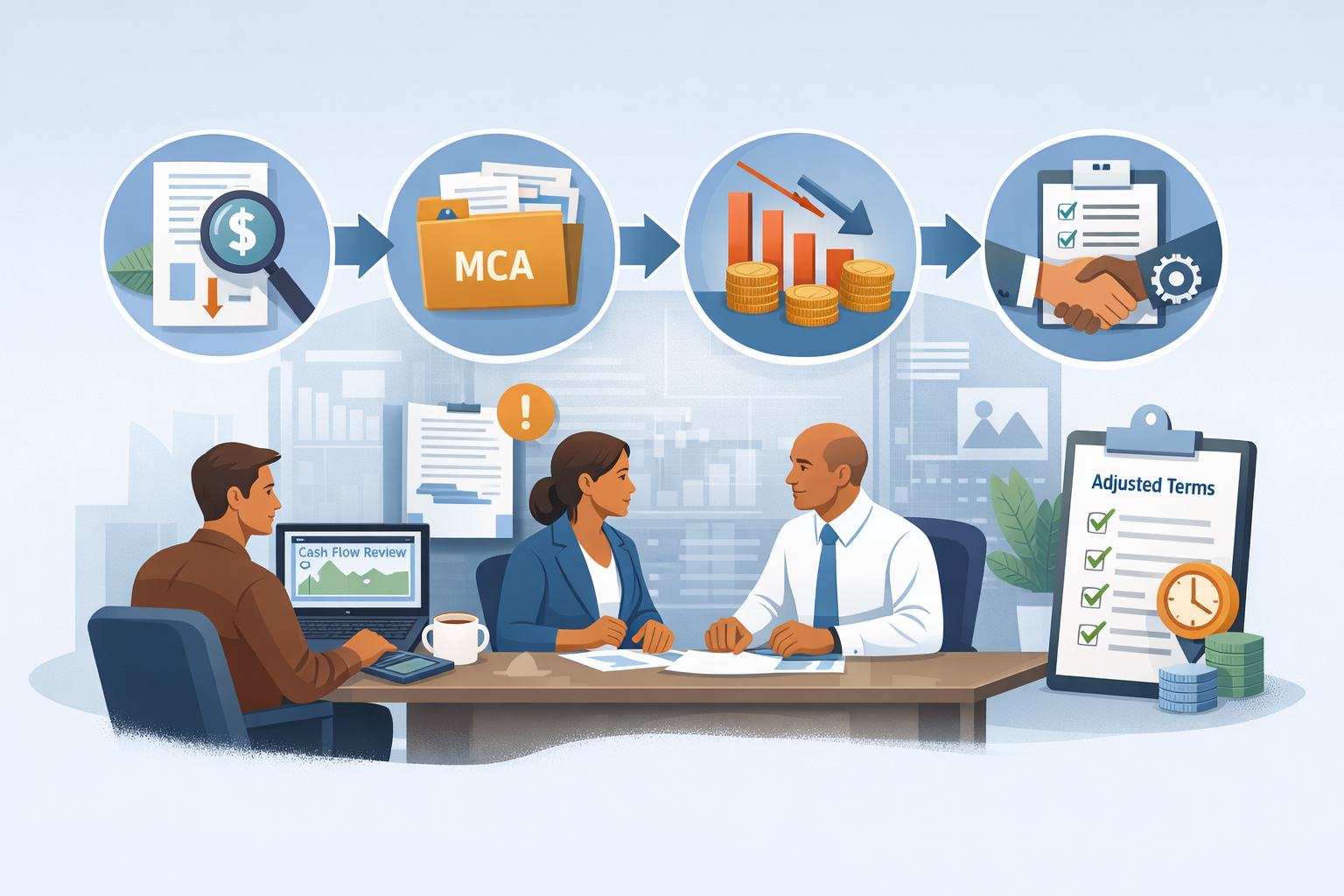
The MCA restructuring process focuses on restoring stability, not creating confrontation. Merchant cash advance restructuring works best when repayment is aligned with what the business can realistically sustain, rather than forcing daily withdrawals that destabilize operations.
A structured approach typically involves:
-
Reviewing actual daily cash flow instead of projected revenue
-
Evaluating total MCA exposure across all active advances
-
Identifying where daily withdrawals exceed sustainable margins
-
Proposing adjusted payment terms that preserve ongoing operations
When funders are presented with a realistic repayment path — rather than a collapsing bank account — outcomes are often more productive. Structured proposals signal intent to repay while reducing risk on both sides, which is why negotiated adjustments are often more successful than reactive measures.
What MCA Payment Reduction Options May Look Like
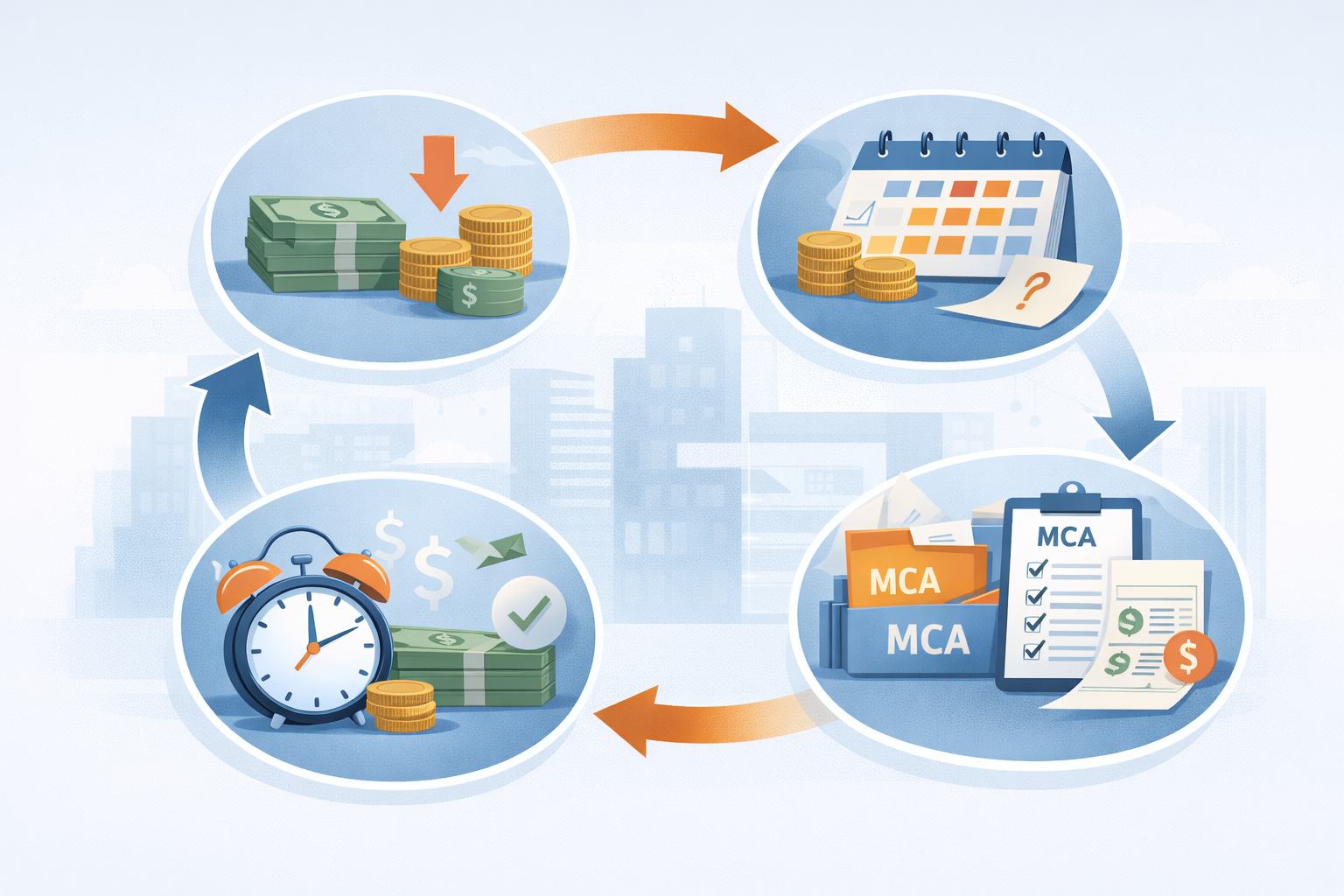
MCA payment reduction options vary by situation, but they are generally designed to improve predictability rather than delay repayment. MCA payment modification focuses on adjusting how payments are collected so they align with actual cash flow.
Depending on the circumstances, adjusted terms may include:
-
Lower daily withdrawal amounts that reduce immediate strain
-
Extended repayment timelines to spread payments more sustainably
-
Consolidated payment structures across multiple advances
-
Modified withdrawal timing to limit overdrafts and account disruption
The objective of MCA payment reduction is not postponement — it’s stability. When payments become predictable and manageable, businesses can protect operations while continuing to meet their obligations.
Why Defaulting Often Reduces Leverage
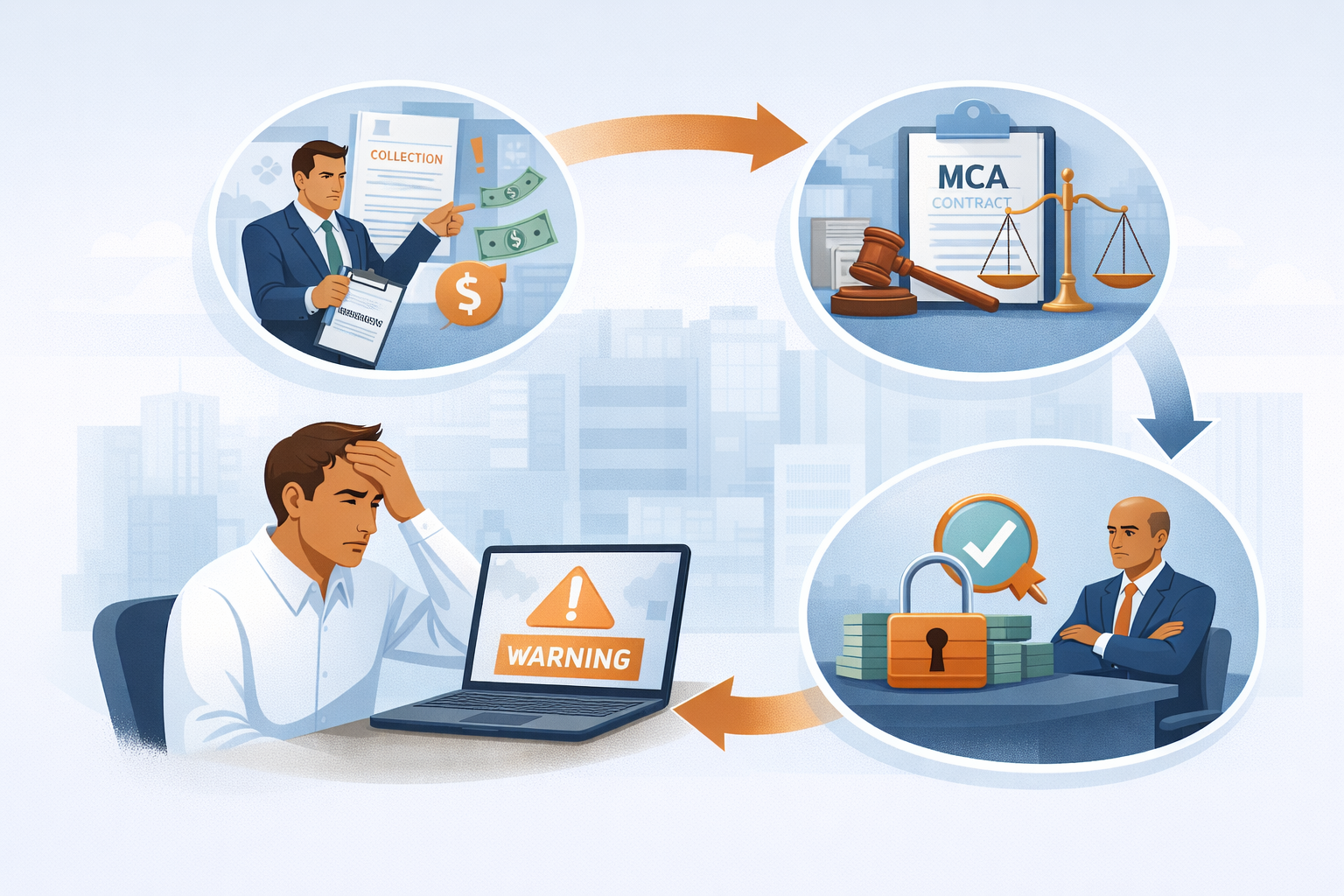
Defaulting on an MCA without a plan may feel like immediate relief, but it often increases long-term risk. MCA default consequences typically shift leverage away from the business and toward the funder, making productive resolution harder rather than easier.
When default occurs, common outcomes include:
-
Escalated collection activity and increased daily pressure
-
Heightened MCA legal risk, including formal demands or filings
-
Reduced negotiating flexibility once default status is established
Once leverage is lost, available options narrow quickly. Funders are generally less willing to modify terms after default, especially when payment interruptions appear reactive instead of strategic. That’s why planning matters more than emotional reactions when addressing MCA payment pressure.
When Requesting an MCA Savings Quote Makes Sense
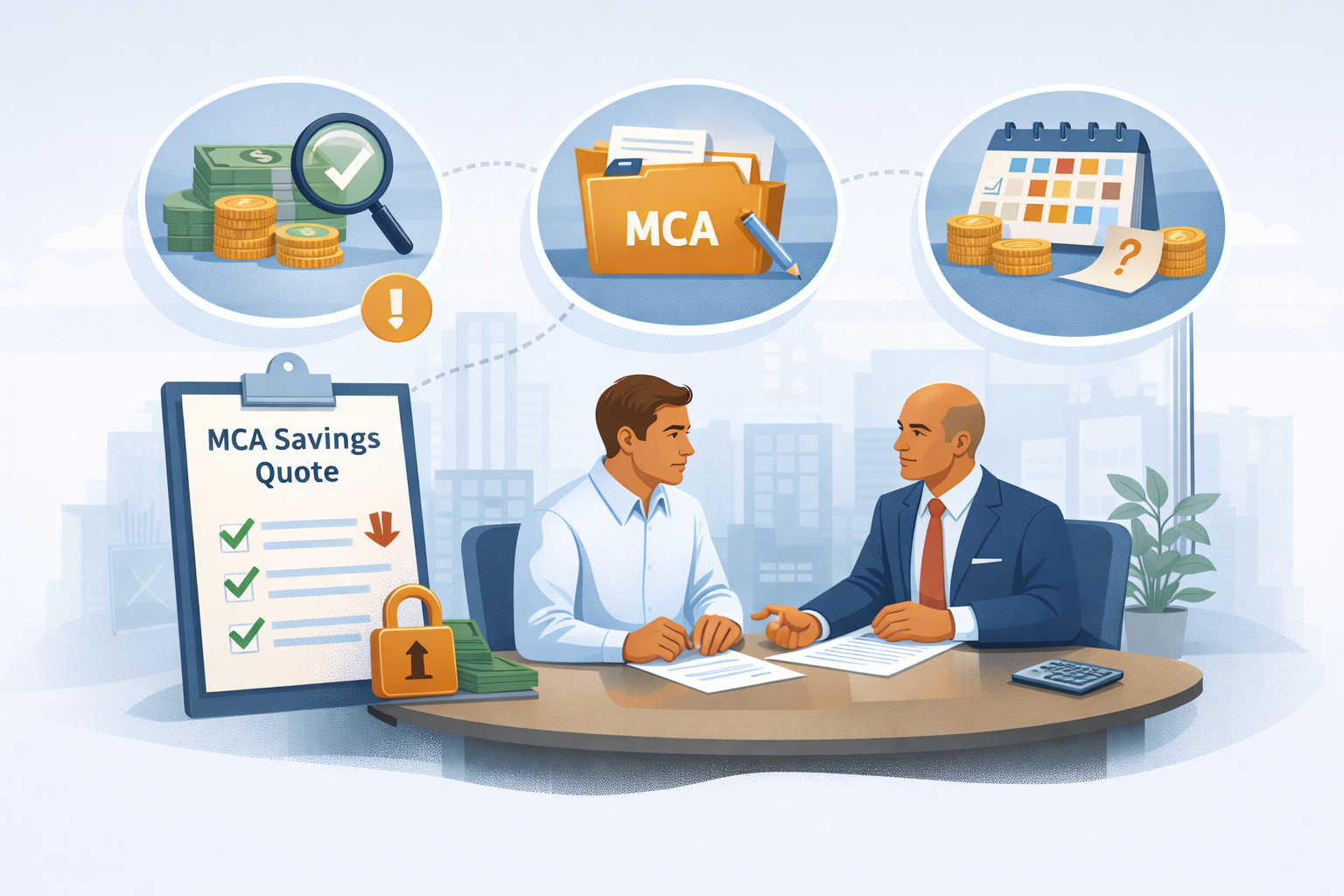
Requesting an MCA savings quote makes sense when daily payments are putting pressure on cash flow and long-term sustainability is unclear. At that point, clarity matters more than speed, and understanding realistic options becomes more valuable than reacting quickly.
An MCA payment review helps determine:
-
Whether payment reductions may be feasible based on actual cash flow
-
What merchant cash advance restructuring might realistically look like
-
Whether current daily payments are sustainable over the long term
An MCA savings quote does not create an obligation. It provides a clearer picture of available options, allowing business owners to evaluate next steps with accurate information instead of assumptions.
Secure Your Business's Financial Future
If you’re questioning whether merchant cash advance payments can be reduced without defaulting, the most productive next step is understanding your true daily exposure. Clarity around actual cash flow and total MCA obligations is essential before any decision is made.
Requesting an MCA savings quote allows you to evaluate structured payment options designed to stabilize cash flow. Rather than reacting to daily pressure, this approach helps determine whether adjustments are possible without shutting down operations or damaging lender relationships.