
ClickCease

When merchant cash advance (MCA) debt begins to overwhelm a business, it can feel like there is no way forward. Daily ACH withdrawals, shrinking cash flow, and mounting financial pressure can quickly turn a thriving company into one that struggles to cover payroll, vendors, and essential operating expenses. Many business owners assume their only option is to take on another advance, but that often makes the situation even more difficult.

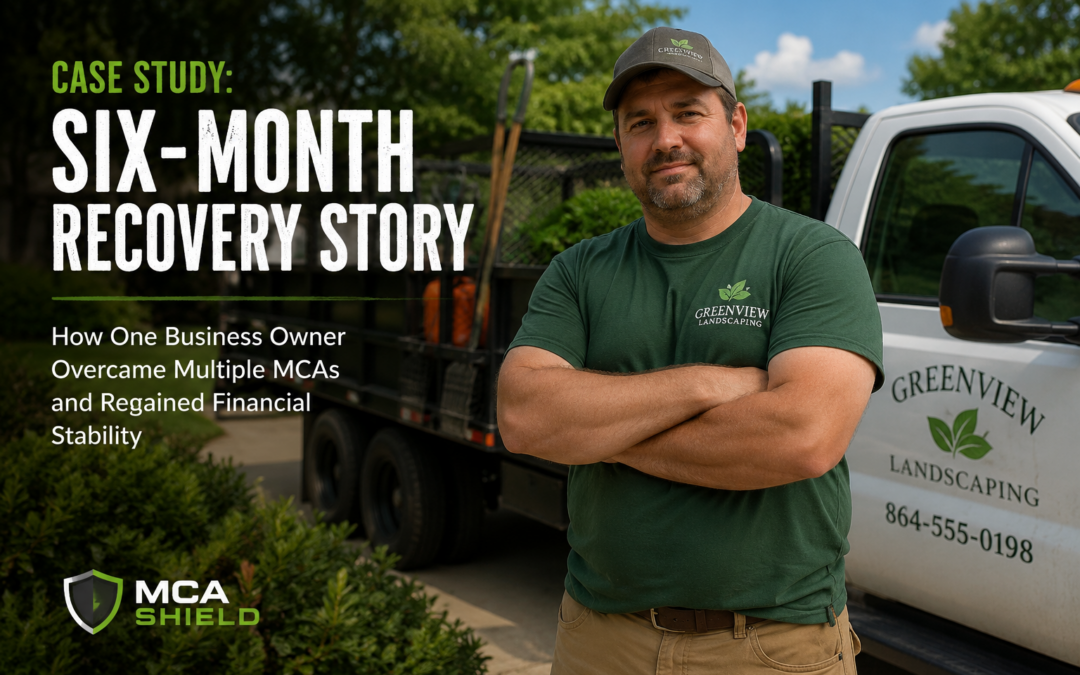
This MCA debt relief case study follows the six-month recovery of a family-owned commercial landscaping company that was buried under multiple merchant cash advances. You’ll see the challenges the business faced, the steps taken to improve cash flow, and how a customized debt relief strategy helped restore financial stability. While every situation is unique, this real-world example demonstrates that with the right plan, businesses can regain control and build a stronger financial future.

Get an Instant Payment Reduction Quote

Meet the Business

A Growing Landscaping Company With Seasonal Cash Flow Challenges

For years, a family-owned commercial landscaping company built a strong reputation by delivering reliable services to homeowners’ associations, office parks, and retail properties. As demand increased, the company hired additional crew members, invested in equipment, and expanded its service area. Growth created new opportunities, but it also brought higher operating costs and greater financial responsibilities.

Like many landscaping businesses, revenue fluctuated throughout the year. During slower seasons, cash flow tightened while expenses such as payroll, fuel, equipment maintenance, insurance, and vendor invoices continued to arrive. Although the business remained profitable overall, the timing of incoming revenue no longer matched its daily financial obligations. The owners needed working capital quickly to keep operations moving and maintain the level of service their customers expected.

Why Multiple Merchant Cash Advances Seemed Like the Fastest Solution

When cash flow became strained, a merchant cash advance (MCA) seemed like a practical solution. Funding was approved quickly, and the business received the capital it needed without the lengthy process of applying for a traditional bank loan. At first, the daily repayments seemed manageable because new projects continued to generate revenue.

As operating costs increased and another slow season began, the business turned to additional merchant cash advances to cover ongoing expenses and keep operations running. Each new advance added another daily ACH withdrawal, leaving less money available for payroll, fuel, equipment repairs, and other essential expenses. Before long, a short-term funding solution had become a cycle that placed increasing pressure on the company’s cash flow and overall financial stability.

How the Debt Began to Affect Daily Operations

Commercial landscaping business owner illustrating how daily merchant cash advance ACH withdrawals reduce cash flow, making it harder to cover payroll, vendor invoices, fuel, and equipment repairs.

Daily ACH Withdrawals Reduced Available Cash

At first, the daily ACH withdrawals seemed manageable because customer payments continued to come in. Over time, however, each new merchant cash advance added another automatic withdrawal from the company’s bank account. As more payments were deducted each business day, less cash remained to cover routine operating expenses.

Instead of using incoming revenue to support growth, the company found itself directing a significant portion of its daily receipts toward MCA repayments. This left the owners with limited flexibility to respond to unexpected expenses or invest in new opportunities. The constant pressure on cash flow made it increasingly difficult to manage the business with confidence.

Vendor Payments and Equipment Repairs Became Difficult

Reliable equipment and strong vendor relationships were essential to the company’s success. Landscaping crews depended on trucks, trailers, mowers, and other equipment to complete projects on schedule. When cash flow tightened, routine maintenance was often delayed, and unexpected repairs became more difficult to afford.

Vendor invoices also became harder to manage. Some payments had to be postponed while the business prioritized daily MCA withdrawals and other immediate financial obligations. Although the owners worked hard to meet their commitments, the growing financial strain placed valuable supplier relationships under increasing pressure.

Payroll Pressure Increased Every Week

Payroll quickly became one of the company’s biggest concerns. The owners remained committed to paying their employees on time because experienced crews were critical to maintaining customer satisfaction and completing projects efficiently.

Each week, however, the combination of daily ACH withdrawals, operating expenses, and seasonal revenue fluctuations left less cash available for wages. The owners found themselves carefully timing deposits, monitoring account balances, and making difficult financial decisions to keep payroll on schedule. What had started as a temporary funding solution had evolved into a daily struggle that affected nearly every aspect of the business.

The Turning Point

The turning point came when the business owners stepped back and reviewed every merchant cash advance agreement rather than focusing solely on the next payment. Until then, they had been managing one obligation at a time without fully understanding how multiple advances affected the company’s overall financial position.

During the review, they identified important details, including outstanding balances, daily ACH withdrawal amounts, repayment schedules, factor rates, and total repayment obligations. Seeing the complete picture helped them understand how each merchant cash advance contributed to the company’s cash flow challenges and where meaningful improvements could be made.

Understanding the True Cost of Multiple Advances

As the agreements were evaluated, the owners realized that the financial impact extended far beyond the amount they originally received. Each additional merchant cash advance added another daily ACH withdrawal. Over time, the combined withdrawals reduced the company’s available cash. As more revenue went toward repayments, less money remained for payroll, vendor payments, fuel, equipment maintenance, and other essential operating expenses.

The review also revealed how relying on new advances to solve short-term cash flow problems had increased the company’s overall repayment obligations. Understanding the true cost of multiple merchant cash advances helped the owners recognize that continuing the same approach would only place additional pressure on the business.

Creating a Customized Recovery Strategy

With a clear understanding of the company’s financial obligations, the next step was developing a customized recovery strategy. Rather than looking for another short-term funding solution, the focus shifted to improving cash flow, reducing financial pressure, and creating a more sustainable path forward.

The recovery plan prioritized the company’s most urgent financial obligations while supporting day-to-day operations. By taking a strategic approach instead of reacting to each new challenge, the business began moving toward greater financial stability and a stronger foundation for long-term success.

The Six-Month Recovery Timeline

Six-month merchant cash advance recovery roadmap showing the steps of reviewing MCA agreements, reducing financial pressure, stabilizing cash flow, and planning for long-term business growth.

🟩 MONTH 1

Assessing the Financial Situation

The first month focused on gaining a complete understanding of the company’s financial position. Every merchant cash advance agreement was reviewed alongside bank statements, cash flow reports, and monthly operating expenses. This process helped the owners identify their total repayment obligations, daily ACH withdrawals, and the overall impact the advances had on the business.

Instead of reacting to each payment as it came due, the owners finally had a clear picture of their financial commitments. That insight became the foundation for building a realistic recovery plan.

🟦 MONTHS 2–3

Reducing Daily Financial Pressure

With a clear understanding of the company’s finances, the next priority was reducing the daily financial pressure caused by multiple merchant cash advances. The owners followed a structured recovery strategy that improved cash flow while addressing their most urgent financial obligations.

As financial pressure eased, the business gained greater flexibility to manage everyday expenses. Vendor payments became more predictable, and the owners spent less time navigating immediate cash flow challenges and more time focusing on serving customers and growing the company.

🟧 MONTHS 4–5

Stabilizing Cash Flow

By the fourth month, the company began to see measurable improvements in cash flow. More working capital remained available to cover payroll, equipment maintenance, fuel, and other essential operating expenses. Instead of constantly reacting to financial setbacks, the owners could begin planning with greater confidence.

The improved financial stability also strengthened relationships with vendors and restored confidence throughout the business. With fewer financial disruptions, the company was better positioned to deliver reliable service and support future growth.

🟩 MONTH 6

Planning for Sustainable Growth

By the sixth month, the business had moved beyond simply managing daily financial challenges. With improved cash flow and a stronger financial foundation, the owners shifted their attention toward long-term planning and responsible growth.

Rather than relying on short-term funding to overcome temporary cash flow problems, the company focused on building healthier financial habits and making decisions that supported lasting success. The six-month recovery demonstrated that the right strategy can help businesses overcome merchant cash advance debt and move forward with greater confidence and financial stability.

Results After Six Months

Before-and-after merchant cash advance debt relief case study showing a commercial landscaping business recovering from multiple MCAs with improved cash flow, financial stability, and business growth.

Improved Cash Flow and Predictable Operations

After six months, the company’s financial outlook had changed significantly. Cash flow became more consistent, allowing the owners to manage daily operations with greater confidence. Instead of worrying about multiple daily ACH withdrawals, they had more working capital available to support the business’s ongoing needs.

The improved financial stability also made planning easier. The owners could prepare for upcoming expenses, schedule equipment maintenance, and make informed business decisions without facing constant financial uncertainty.

Catching Up on Vendors and Business Expenses

With improved cash flow, the company gradually caught up on vendor payments and other essential business expenses. Stronger cash management helped rebuild relationships with suppliers while reducing the stress of deciding which bills to pay first.

The business also returned to a regular equipment maintenance schedule, helping crews work more efficiently and reducing the risk of costly breakdowns. As financial pressure eased, the owners could focus on operating the business instead of constantly managing financial challenges.

Greater Confidence in Long-Term Financial Planning

Perhaps the biggest change was the owners’ renewed confidence in the future. Rather than searching for short-term funding whenever cash flow tightened, they began making financial decisions with long-term stability in mind.

The business developed healthier budgeting practices, monitored cash flow more closely, and planned for seasonal fluctuations before they created financial strain. Although every business faces unique challenges, this MCA debt relief case study demonstrates how a structured recovery strategy can help business owners regain control, strengthen their financial foundation, and focus on sustainable growth.

Lessons Other Business Owners Can Learn

Address MCA Problems Before They Escalate

One of the biggest lessons from this MCA debt relief case study is the importance of taking action early. Cash flow problems rarely improve on their own, and relying on additional merchant cash advances can increase financial pressure over time. The sooner business owners evaluate their options, the more opportunities they typically have to improve their financial situation.

Recognizing the warning signs early can make a meaningful difference. Daily ACH withdrawals, declining cash flow, and difficulty covering routine operating expenses often signal it’s time to explore a long-term solution before the challenges become more difficult to manage.

Understand Every Financing Agreement

Every financing agreement affects your business differently. Before accepting a merchant cash advance, take time to review the repayment terms, factor rate, daily withdrawal amount, and total repayment obligation. Understanding these details helps business owners make informed financial decisions and avoid unexpected costs.

If you already have one or more merchant cash advances, reviewing each agreement can provide valuable insight into your overall financial position. A complete understanding of your obligations is often the first step toward developing an effective recovery strategy.

Focus on Long-Term Financial Stability

Short-term funding can provide immediate access to working capital, but long-term success depends on building a stronger financial foundation. Monitoring cash flow, maintaining realistic budgets, and planning for seasonal fluctuations can help reduce the need for emergency financing in the future.

This MCA debt relief case study shows that financial recovery is about more than reducing today’s financial pressure. It’s about creating healthier financial habits that support long-term stability, sustainable growth, and greater confidence in the future.

How MCA Shield Helped Support the Recovery

Reviewing Existing Merchant Cash Advance Agreements

Every merchant cash advance agreement contains unique repayment terms, balances, and financial obligations. The recovery process began with a detailed review of each agreement to understand how the company’s multiple MCAs affected its overall financial position.

This review identified key details, including outstanding balances, daily ACH withdrawals, factor rates, repayment schedules, and total repayment obligations. By examining the complete financial picture instead of individual advances, the business gained a clearer understanding of the challenges affecting its cash flow and opportunities for improvement.

Developing a Customized Resolution Strategy

No two businesses face the same financial circumstances, which is why MCA debt relief should never follow a one-size-fits-all approach. After reviewing the company’s financial obligations, a customized resolution strategy was developed to address its specific needs and long-term goals.

The strategy focused on reducing financial pressure, improving cash flow, and creating a practical path toward greater financial stability. Rather than relying on another short-term funding solution, the business followed a structured plan designed to support both its immediate operational needs and its long-term success.

Helping the Business Regain Financial Stability

As the recovery strategy progressed, the company experienced steady improvements in its financial position. Stronger cash flow made it easier to manage payroll, vendor payments, equipment maintenance, and other day-to-day operating expenses with greater confidence.

Most importantly, the business regained control of its finances. Instead of reacting to daily financial challenges, the owners could focus on serving customers, supporting their employees, and planning for future growth. While every business’s circumstances are different, the right strategy can help many companies move beyond merchant cash advance debt and build a stronger, more stable financial future.

Frequently Asked Questions About MCA Recovery

Every business’s financial situation is different, but many owners have similar questions when exploring MCA debt relief. Here are answers to some of the most common questions about recovering from merchant cash advance debt.


How Long Does Merchant Cash Advance Recovery Usually Take?

The timeline for merchant cash advance recovery depends on several factors, including the number of active MCAs, your total repayment obligations, your current cash flow, and your overall financial goals. Some businesses begin seeing improvements within a few months, while more complex situations may take longer.

The key is to start the recovery process as early as possible. Taking action before financial challenges worsen often creates more opportunities to improve cash flow and regain financial stability.


Can a Business Recover After Multiple MCAs?

Yes. Many businesses have successfully recovered after taking on multiple merchant cash advances. While the recovery process requires careful planning, businesses can often improve their financial position by understanding their obligations, evaluating their options, and following a structured recovery strategy.

As this MCA debt relief case study demonstrates, multiple MCAs do not have to define your business’s future. With the right approach, it is possible to reduce financial pressure, strengthen cash flow, and restore long-term financial stability.


What Is the First Step Toward Financial Recovery?

The first step is gaining a complete understanding of your financial situation. Gather every merchant cash advance agreement, review your current repayment obligations, and evaluate how daily ACH withdrawals affect your cash flow and day-to-day operations.

Once you have a clear picture of your financial commitments, you can begin exploring solutions that align with your business’s needs. A customized recovery strategy provides a stronger foundation for improving cash flow, reducing financial pressure, and building a healthier financial future.

Start Your Own Business Recovery Story

Commercial landscaping business owner illustrating the first steps toward merchant cash advance debt relief by reviewing MCA agreements, improving cash flow, and creating a customized business recovery plan with MCA Shield.

Why Acting Early Creates More Financial Options

If your business is struggling with merchant cash advance debt, waiting rarely improves the situation. As daily ACH withdrawals continue and financial pressure increases, the number of available options may become more limited. Taking action early gives you more flexibility to evaluate your financial position, explore potential solutions, and develop a strategy that supports your business’s long-term success.

Every business has a unique story, and every recovery plan should reflect that. Whether you’re managing one merchant cash advance or several, addressing the problem before it escalates can help protect your cash flow, strengthen your financial foundation, and position your business for a more stable future.

Schedule a Free Consultation With MCA Shield

You don’t have to navigate merchant cash advance debt alone. At MCA Shield, we take the time to understand your business, review your existing merchant cash advance agreements, and develop a customized resolution strategy based on your specific financial circumstances.

If daily ACH withdrawals are putting pressure on your business, now is the time to take the first step. Schedule your free consultation with MCA Shield today and discover how the right strategy can help you improve cash flow, reduce financial stress, and begin writing your own business recovery story.