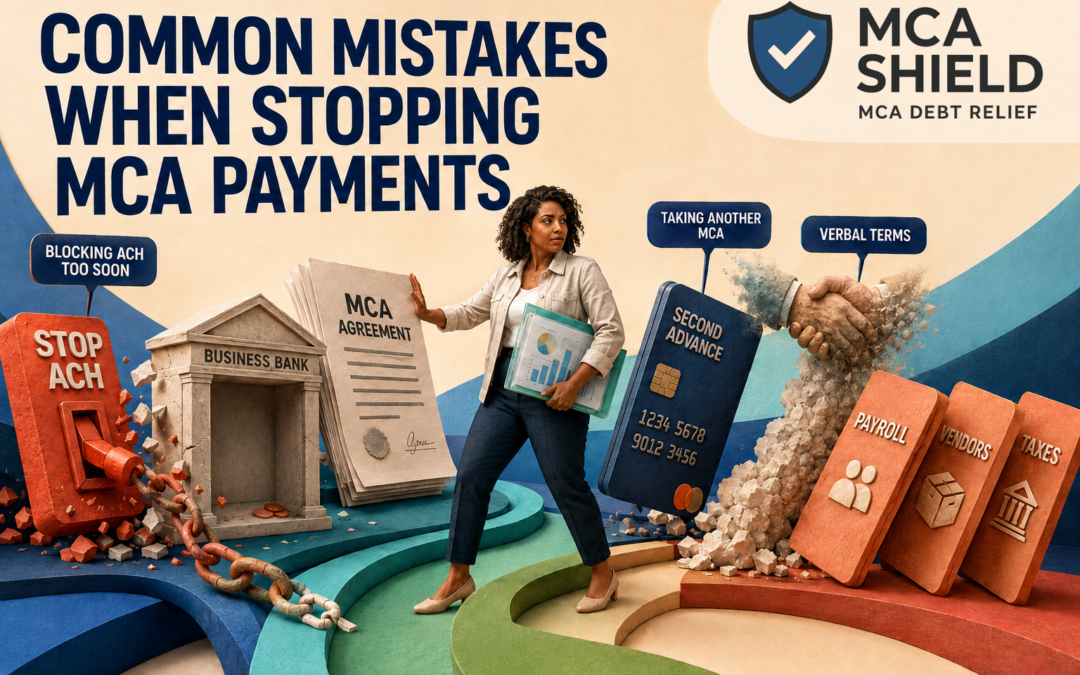
Common mistakes when stopping MCA payments can create new financial and legal problems for an already strained business. Blocking ACH withdrawals too soon, waiting until the account is nearly empty, accepting verbal terms, or taking another advance may make the situation harder to resolve. Understanding these risks can help business owners protect cash flow and choose a more sustainable relief strategy.
Schedule Your Free Consultation
Why Stopping MCA Payments Without a Strategy Can Make the Problem Worse
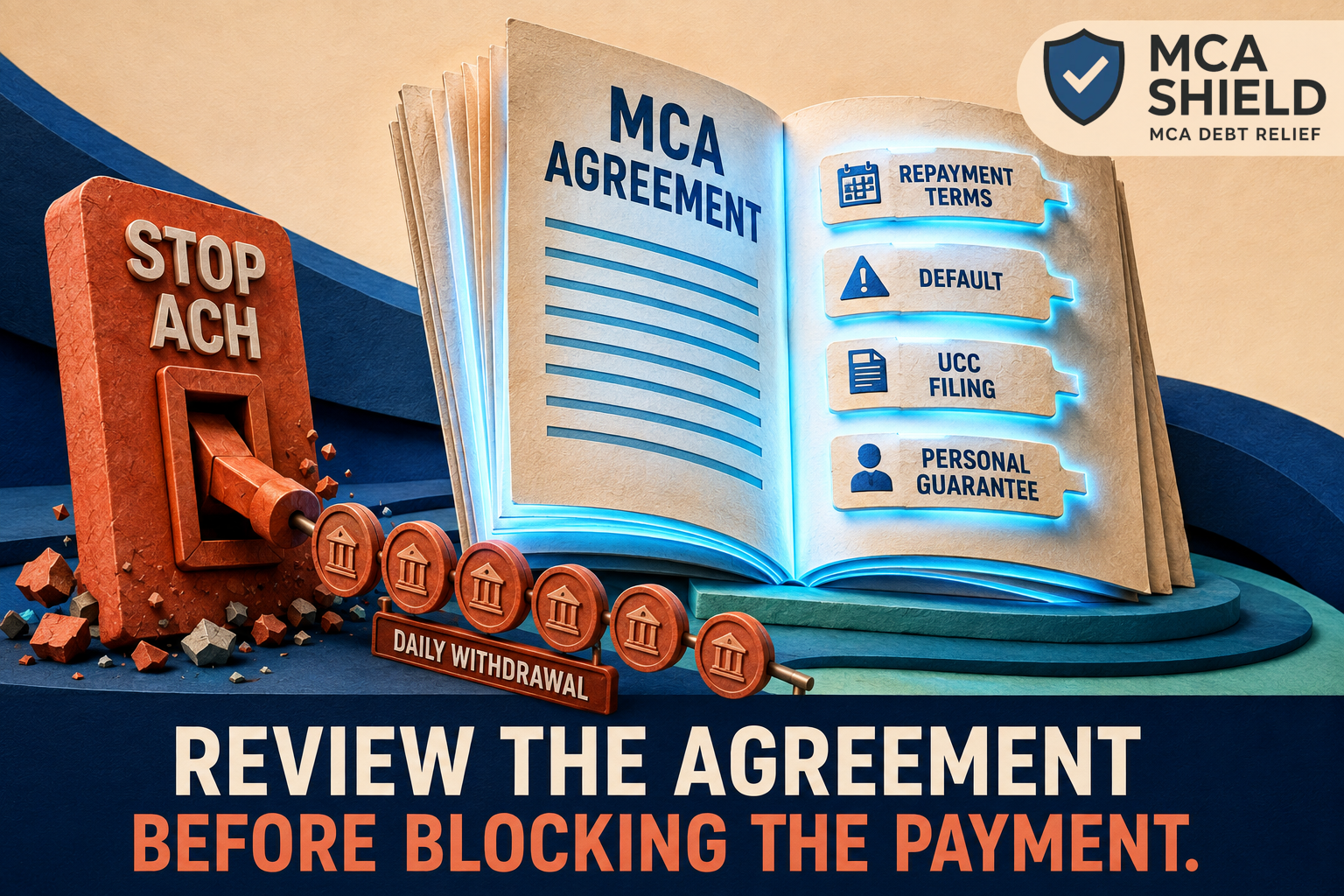
Mistake #1: Blocking MCA Withdrawals Without Reviewing the Agreement
Mistake #2: Waiting Until the Business Account Is Nearly Empty
Many business owners continue making daily or weekly MCA payments until there is almost no operating cash left. They may hope profits will improve, a large invoice will be paid, or the next busy period will provide enough money to catch up.
Waiting can make the situation harder to resolve. When an account is already depleted, the business has less flexibility to cover payroll, pay vendors, negotiate revised terms, or fund a potential settlement. Taking action earlier gives the owner more time to review the numbers and compare realistic options.
Early Warning Signs Are Easier to Address Before Default
A business does not need to miss an MCA payment before requesting help. Cash-flow problems often appear weeks before an account reaches the point of default.
Common warning signs include:
- Using incoming deposits immediately to cover MCA withdrawals
- Transferring money between accounts to avoid overdrafts
- Delaying payroll, taxes, rent, or vendor payments
- Relying on credit cards for routine operating expenses
- Taking another advance to cover an existing MCA payment
- Receiving less revenue than originally projected
- Losing access to working capital needed for daily operations
Addressing these warning signs early can create more opportunities to request reconciliation, negotiate lower payments, restructure the obligation, or compare other relief strategies. The business may also have stronger financial records and more available cash to support a workable proposal.
Overdrafts and Returned Payments Can Reduce Your Options
Repeated MCACA withdrawals can cause overdraft fees, returned payments, negative account balances, and disruptions to essential business expenses. These problems can also make it harder to demonstrate that the business can maintain a proposed replacement payment.
Returned withdrawals may trigger default provisions or increased collection activity. At the same time, unpaid payroll, vendors, rent, or taxes can create separate financial and operational problems that require immediate attention.
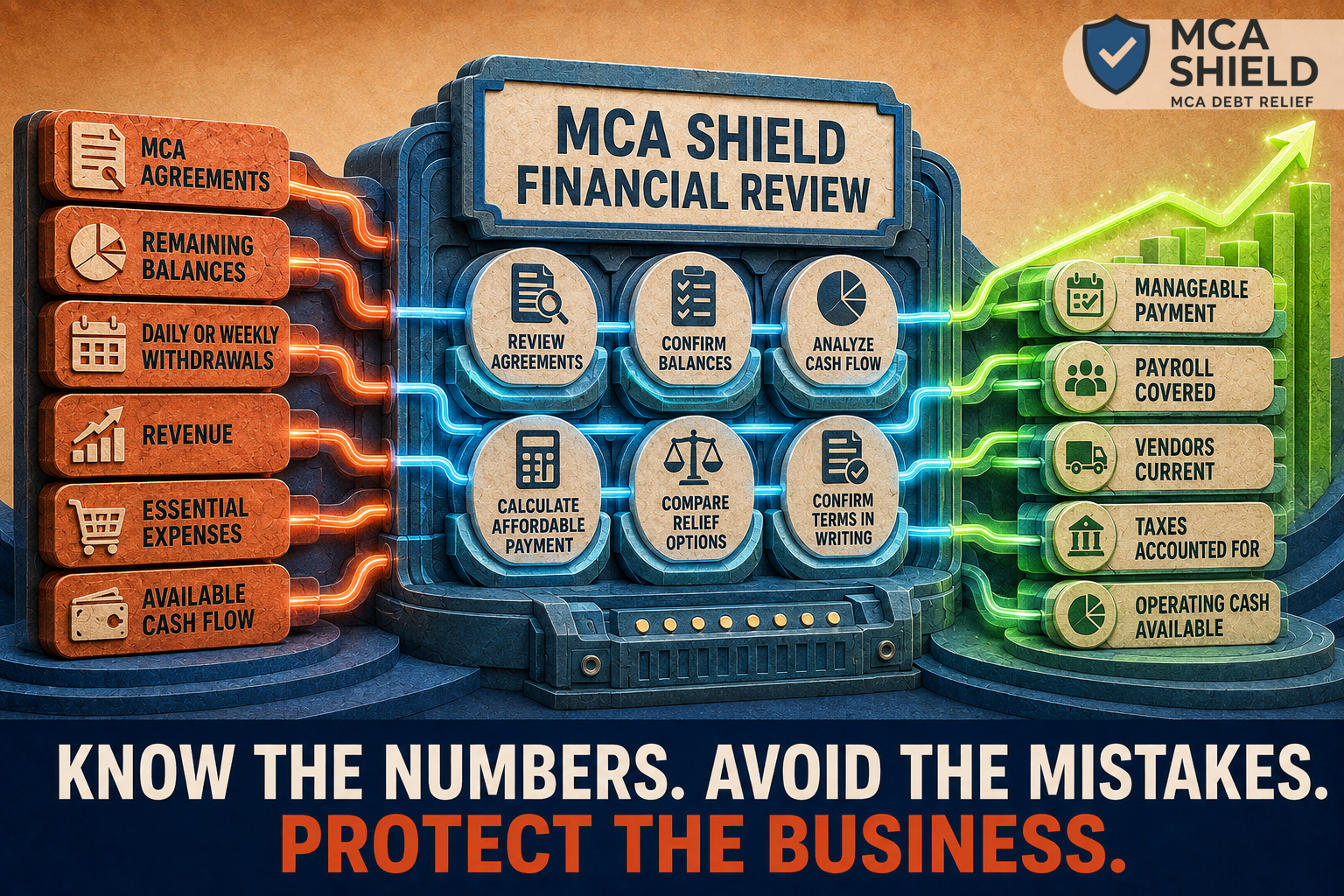
Business owners should calculate how much cash remains after paying essential expenses before the account reaches a crisis point. That review should include:
- Current and projected revenue
- Every MCA balance and withdrawal
- Payroll and payroll taxes
- Rent, utilities, and insurance
- Critical vendor obligations
- Minimum operating-cash needs
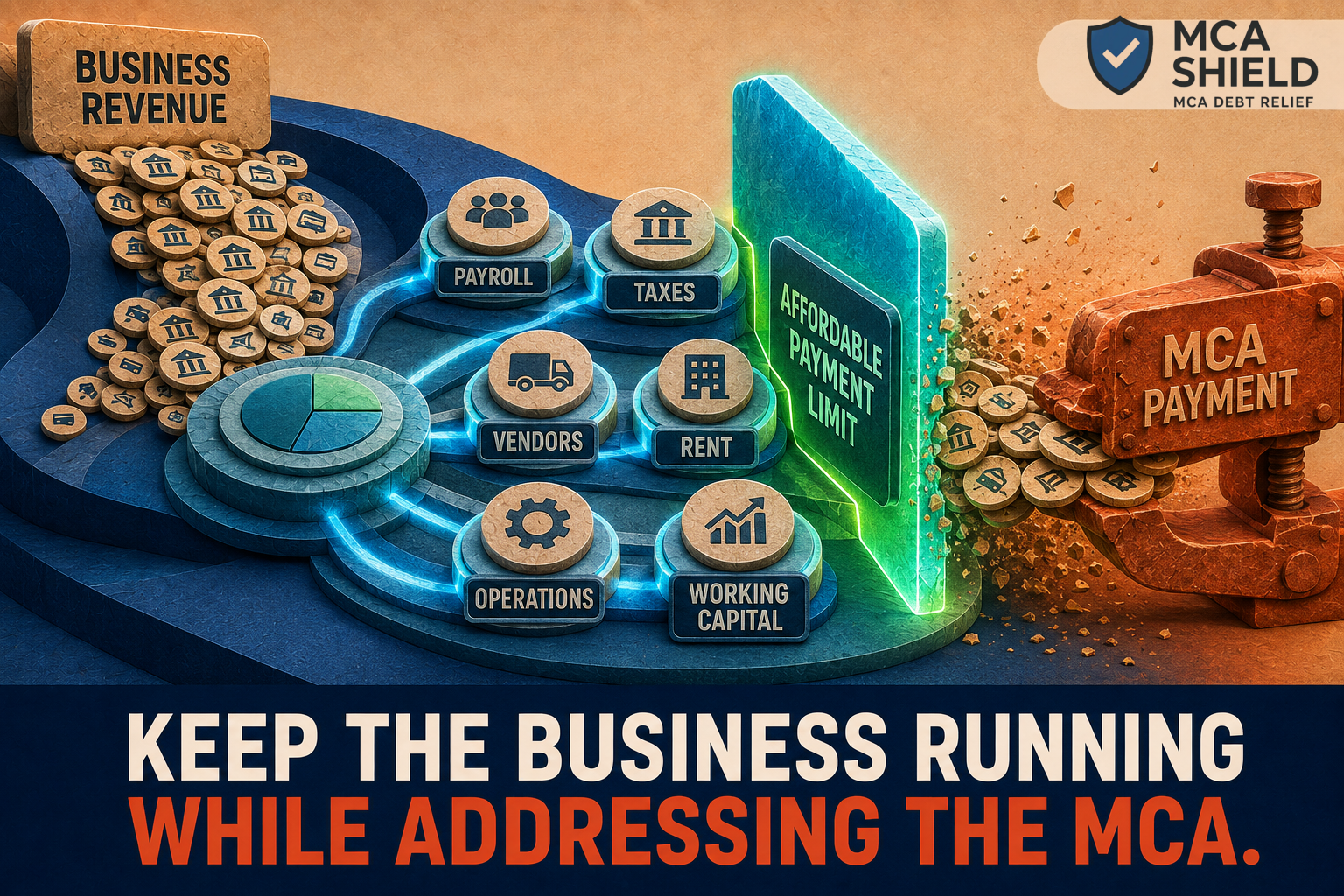
The goal is to determine what the business can realistically afford while it still has enough cash to continue operating. Acting before the account is nearly empty provides more room to build a sustainable MCA payment strategy.
Mistake #3: Ignoring Reconciliation Rights in the MCA Agreement
Some business owners try to stop MCA payments without first determining whether the agreement contains a reconciliation provision. This can be a costly mistake because reconciliation may provide a contractual process for adjusting payments when actual business revenue falls below the amount used to calculate the original withdrawal.
Reconciliation rights vary by agreement. The business must review the exact language, eligibility requirements, deadlines, and documentation standards before submitting a request. A reconciliation is not automatic, and requesting one does not necessarily pause existing withdrawals.
Revenue-Based Payments May Qualify for Adjustment
A merchant cash advance is commonly structured as the purchase of a percentage of future receivables. Daily or weekly withdrawals may initially be based on estimated revenue. If actual revenue decreases, the agreement may allow the business to request an adjustment that better reflects its current receivables.
A qualifying revenue decline could result from:
- Seasonal changes in sales
- The loss of a major customer
- Delayed customer payments
- Reduced contracts or purchase orders
- Temporary closures or operational interruptions
- Broader changes affecting the business or its industry
The business should confirm how the agreement defines reconciliation, when a request may be submitted, and how the provider calculates an adjusted payment. It is also important to determine whether the adjustment is temporary, subject to later review, or will be reversed when revenue improves.
A reconciliation can reduce immediate payment pressure, but it may not reduce the contract amount or total amount the business is expected to deliver. The complete financial impact should be reviewed before accepting revised terms.
Incomplete Documentation Can Delay a Reconciliation Request
Most reconciliation requests require financial records showing the business’s actual revenue. Sending an unsupported request or providing incomplete records may cause delays, repeated document requests, or a denial.
Depending on the agreement, the provider may request:
- Recent business bank statements
- Merchant-processing statements
- Profit-and-loss statements
- Revenue reports or sales summaries
- Accounts receivable records
- An explanation of the revenue decline
- A completed reconciliation form
All documents should be accurate, current, and consistent. The business should also keep copies of the request, supporting records, correspondence, and proof of delivery.
Reviewing reconciliation rights before blocking withdrawals may reveal a less disruptive way to seek payment relief. If reconciliation does not reduce the payment to a manageable level, the business should evaluate restructuring, negotiation, consolidation, or settlement based on its cash flow and overall financial position.
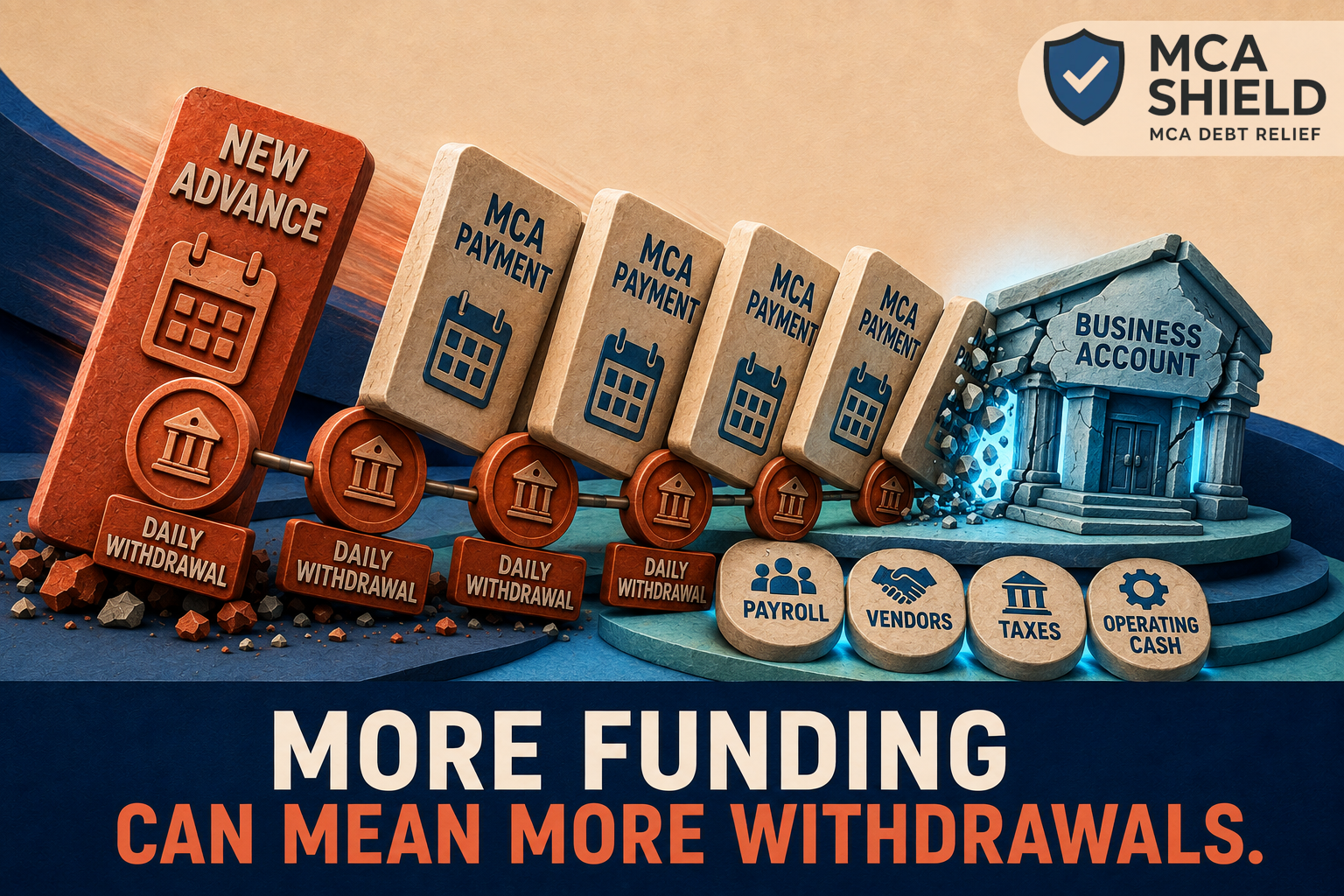
Mistake #4: Taking Another MCA to Cover Existing Payments
Mistake #5: Negotiating Without Knowing What the Business Can Afford
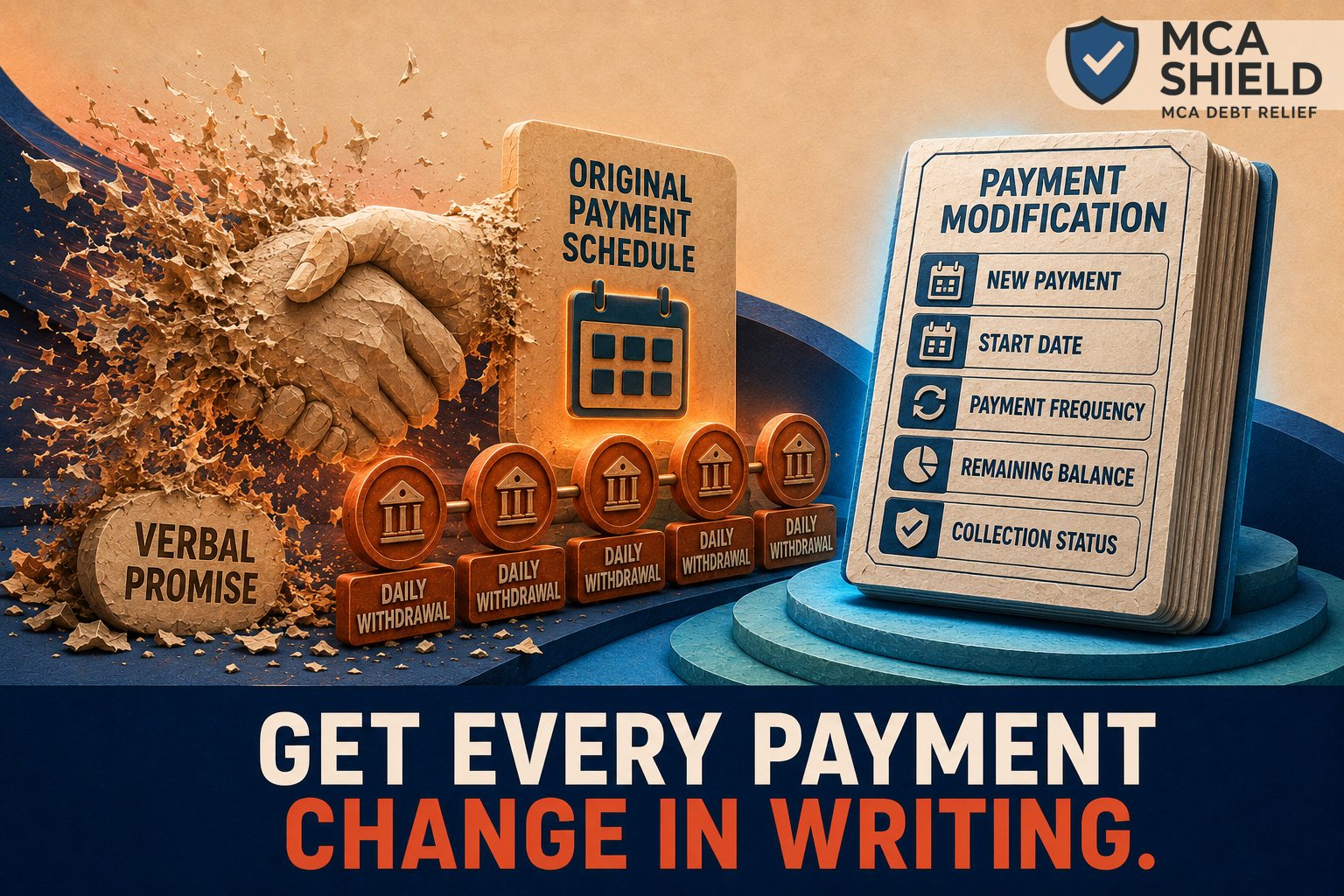
Mistake #6: Making Verbal Agreements Without Written Confirmation
Mistake #7: Treating Every MCA Company and Agreement the Same
Mistake #8: Failing to Protect Payroll, Taxes, and Essential Expenses
Avoid Costly MCA Payment Mistakes With a Complete Financial Review